Loading...
Loading...
Loading...
Laparoscopic Surgery

Laparoscopic Surgery

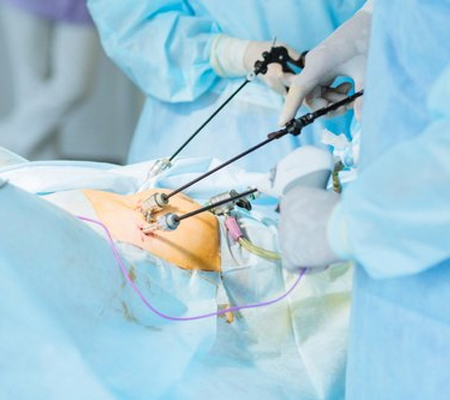
A laparoscopy is a type of surgery that checks for problems in the abdomen or a woman’s reproductive system. Laparoscopic surgery uses a thin tube called a laparoscope. It is inserted into the abdomen through a small incision. An incision is a small a cut made through the skin during surgery.

A laparoscopy is a type of surgery that checks for problems in the abdomen or a woman’s reproductive system. Laparoscopic surgery uses a thin tube called a laparoscope. It is inserted into the abdomen through a small incision. An incision is a small a cut made through the skin during surgery. The tube has a camera attached to it. The camera sends images to a video monitor. This allows a surgeon to view the inside of the body without major trauma to the patient

Mother holding baby
Below are some common gynaecological conditions

Gynaecological Conditions

Laparoscopy is often used to identify and diagnose the source of pelvic or abdominal pain. It’s usually performed when noninvasive methods are unable to help with diagnosis.

  • ultrasound, which uses high-frequency sound waves to create images of the body
  • CT scan, which is a series of special X-rays that take cross-sectional images of the body
  • MRI scan, which uses magnets and radio waves to produce images of the body

What is it used for?

  • Fibroids, growths that form inside or outside the uterus. Most fibroids are noncancerous.
  • Ovarian cysts, fluid-filled sacs that form inside or on the surface of an ovary.
  • Endometriosis, a condition in which tissue that normally lines the uterus grows outside of it.
  • Pelvic prolapse, a condition in which the reproductive organs drop into or out of the vagina.

Papsmear abnormalities:

  • Routine papsmears and follow-up of abnormal smears.
  • Colposcopy
  • HPV vaccination

General Gynaecological issues:

  • Ovarian cysts
  • Pelvic pain
  • Endometriosis
  • Uterine fibroids
  • Polycystic ovarian syndrome (PCOS)

Menopause:

  • Symptomatic treatment including hormone replacement therapy
  • Osteoporosis prevention, screening and treatment
  • Post-menopausal bleeding

Pelvic floor disorders:

  • Pelvic organ prolapse
  • Urinary incontinence
  • Recurrent urinary tract infection
  • Knowledge of and referral for urodynamics testing
Facebook Instagram
WhatsApp Phone

